Yayasan Petronas | Where Good Flourishes

Author name: ypadmin

Archived Stories

Better Care for the Ocean

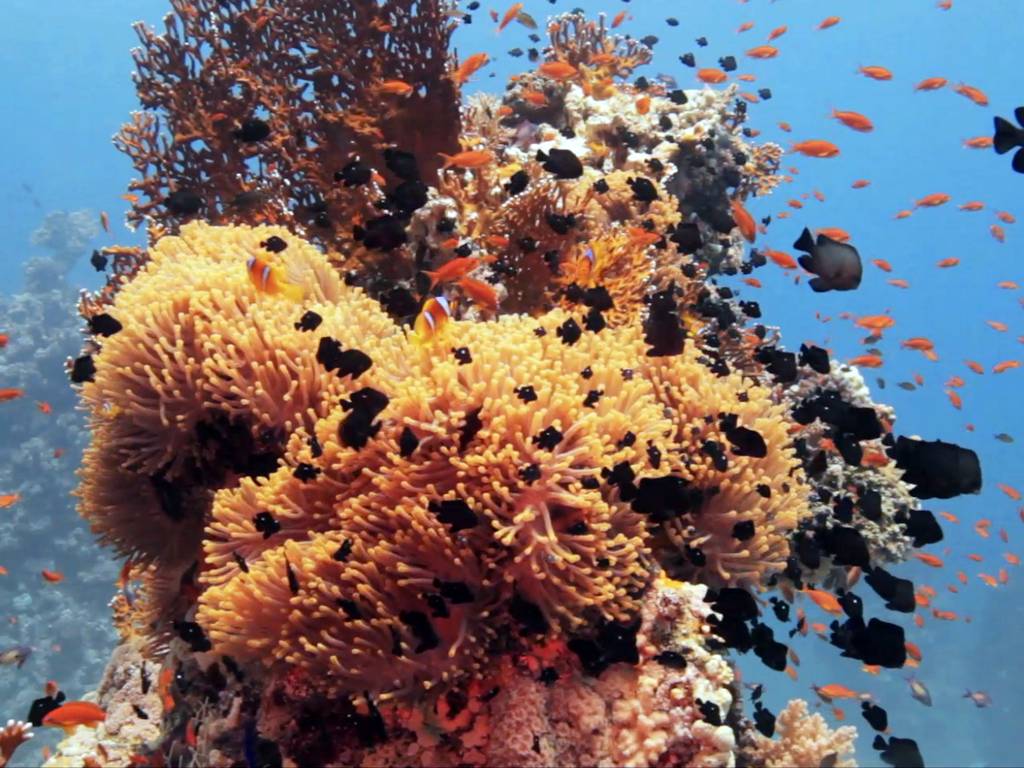
Yayasan PETRONAS is cognisant of its responsibilities, not just to communities, but also the environment. Through Sentuhan Alam, Yayasan PETRONAS seeks to better the environment through biodiversity conservation and carbon neutral programmes. The foundation’s initiatives include rehabilitation and conservation of coral reefs and mangrove swamps. In Kerteh, Terengganu, PETRONAS Chemicals Group works with the Malaysian Nature Society on the ecoCare mangrove learning centre, which has been in operation for the past 14 years. PETRONAS’ involvement in regenerating marine biodiversity in Bintulu, Sarawak, started in 2013 with the Biodiversity, Environment & Conservation (BEACON) project where thousands of reef balls were embedded in the seabed for corals to amalgamate. In addition, BEACON also conducts diving lessons, and beach and coral cleaning. MLNG operations technician Jong Churh Fang is one of the many PETRONAS employees who volunteers his time for this project. In fact, Jong learned to dive just so he could participate in BEACON. The programme’s agenda to conserve reefs and prevent illegal trawling resonates deep with the 33 year-old from Kuching, Sarawak.“I think this programme is good because we help promote coral growth, so that more fish can live there. It helps conserve our marine and raises awareness of the importance of conservation,” says Jong. An avid fishing enthusiast, Jong obtained a new level of appreciation for nature after going underwater. “I never really thought about learning to dive. I took it up to volunteer for the BEACON project. We now dive three to four times a year at the Patricia Reef in Bintulu to monitor the area. Within two years, I have seen the difference. There is more marine life now. I remember the second time I went underwater and saw cuttlefish breeding near our reef balls – I was elated. I felt like I had accomplished something.”

Archived Stories

World Environment Day: Why Biodiversity Conservation Counts

In conjunction with World Environment Day, Yayasan PETRONAS provides a glimpse of why it lends it weight to biodiversity conservation and some key efforts it has taken in supporting this cause. The word biodiversity often conjures up images of faraway places, deep in the jungles, where animals and plants live together in a wonderfully healthy eco-system. However, according to the World Health Organisation (WHO), human beings depend on biodiversity on a daily basis, even though it is not always obvious or noticeable. Our health and general well-being rely on goods and services such as fresh water, food, medicine and fuel sources, derived from biodiversity which should be sustainably managed. It can be said that biodiversity is the foundation of human health and is a requisite for a productive life. Biodiversity contributes to both traditional and modern medicines, it contributes to the economic development of a country as well as regulates the weather, floods and disease control. Biodiversity is also responsible for recreational benefits, the aesthetic enrichment we get when interacting with nature along with spiritual enrichment. Thus, biodiversity not only features prominently in our daily lives, but is also important in both human-managed and natural ecosystems. Decisions we make about our environment affects biodiversity and it is imperative to adopt a sustainable approach as we continue to progress and develop. Malaysia: A Haven for Biodiversity Although Malaysia occupies only 0.2% of the world’s land mass, our diverse flora and fauna makes it one of the richest countries in terms of biodiversity. We are only second to Indonesia and Malaysia has been recognised as one of the twelve mega-diversity countries in the world. Currently, it is estimated that Malaysia is home to over 170,000 species of flora and fauna; with a lot more just waiting to be discovered. Our tropical rainforests, which have been in existence for more than 130 million years, are habitats to a considerable amount of diversity. However, extinction has reared its ugly head and several species of plants and animals are lost to us forever. Thus, it is important for action to be taken and that these actions are varied, including building awareness on the values of biodiversity, changes in economic incentives by the public and private sector and even enforcing rules and regulations to keep the ecosystem alive. As a leading oil and gas producer, PETRONAS recognises its role to operate in a sustainable manner, and in doing so, has the responsibility and opportunity to help conserve the environment. Yayasan PETRONAS – For Biodiversity, For Life Through its corporate social responsibility arm, Yayasan PETRONAS, the company aims to deliver sustainable impact through the improvement of quality of life along with positive socio-economic changes through Education, Community Well-being and Development and the Environment. As part of the effort, Yayasan PETRONAS works with many partners to ensure the biodiversity of our rainforests, oceans and mangroves are preserved. These are some of the initiatives it has taken: Rainforest Conservation: Imbak Canyon Conservation Area & Imbak Canyon Studies Centre Located in the midst of lush greenery, the Imbak Canyon Studies Centre (ICSC) was officially launched in March 2019, marking a historic milestone for the Imbak Canyon Conservation Area (ICCA), a pristine rainforest in the heart of Sabah. The 27-hectare ICSC, funded by PETRONAS under the Yayasan Sabah Group-PETRONAS Imbak Canyon Conservation Partnership, features facilities for research, education, training and nature recreation. By offering an environment research grant to encourage research related to biodiversity, carbon sequestration, and renewable and clean energy at ICSC, Yayasan PETRONAS looks to building the capabilities of local researchers. Yayasan PETRONAS is confident that the partnership with Yayasan Sabah Group will yield benefits not only in conservation, but also opens up opportunities for research in pharmaceutical, novelty chemicals and application of Traditional Ecological Knowledge (TEK). Mangrove Conservation Mangroves are essential for coastal protection, and function as habitats for endangered species and a breeding and nursing ground for commercially valuable fishes. Through its long-term partnership with Malaysian Nature Society (MNS) and the local government, Yayasan PETRONAS has established the ecoCare Environmental Education Centre. With the support of volunteers, approximately 12,000 mangrove trees have been planted in Sungai Kerteh, Terengganu, covering an area of 14,000 square metres. The ecoCare programme also features educational activities for school children, local community and PETRONAS staff. Marine Conservation Yayasan PETRONAS through a PETRONAS subsidiary, Malaysia LNG, has ventured into the conservation and regeneration of marine biodiversity. Under the Biodiversity, Environmental and Conservation (BEACON) project, thousands of Reef BallsTM have been deployed in Similajau National Park, Bintulu, Sarawak. These Reef BallsTM  help regenerate and rehabilitate corals in degraded areas. As a result, sea turtles that have returned to the Similajau Beach to lay their eggs after seven years of absence.   Conclusion Yayasan PETRONAS is committed towards biodiversity conservation through many programmes and activities across land, coastal and marine ecosystems from tropical rainforests to coral reefs. These initiatives also improve the well-being of surrounding communities and ensure that future generations are able to enjoy and understand the importance of nature as well as be part of the solution towards conservation. References:
Archived Stories

Nur Hasyirah Hatta

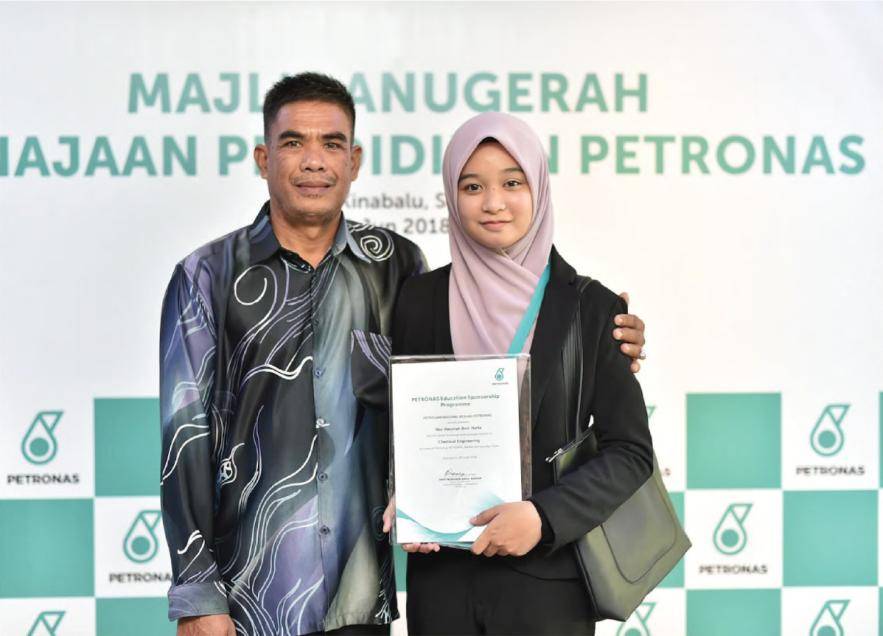
I Cry Because I’m Happy “It was only about a month before PT3 examination in 2015 that it finally hit me — we are not a well-to-do family,” said the former student of SMK Keningau II, a school in the interior of Sabah. She realised it was a challenge for her parents to pay for her education and that of her siblings. This was quite a task for a fuel tank driver and a housewife. Her father’s income was spread thin and very often they had to make do with what little they had. The priority was taking care of the essentials — food, a roof over their heads and their health. Everything else was a luxury. “I want to change the fate of my family, for the better. I want to make my parents proud; in this world … and in the hereafter,” said Nur Hasyirah, her eyes moist and her voice cracking. Her parents have always worked hard to take care of the family and she wanted to make sure no sen of theirs was “wasted”. Her determination to excel drove her to form study groups with her friends to help those who were struggling. “By doing this, I improved my own learning,” she said. Her efforts paid off, and it didn’t go unnoticed nor unrecognised. In 2018, PETRONAS offered to sponsor her education following an outstanding 2017 SPM result, which earned her a place at Universiti Teknologi PETRONAS to pursue Chemical Engineering. “I’m really happy and grateful for this opportunity. I cry, yes, but that’s because I’m happy,” said a beaming Nur Hasyirah.

Archived Stories

BEACON – Wahid Kep, Volunteer

Wahid Kep, BEACON Volunteer Wahid’s desire to protect and defend the beauty of the deep sea drove him to become one of the volunteer divers for the BEACON project. “This project helps our local fishermen socio-economically. It is proven that there are more fishes coming to the area after this project began.”

Archived Stories

ecoCare – M Rosnan Osman, Volunteer

M Rosnan Osman, ecoCare Volunteer The tsunami which devastated several Asian countries in 2004 made Rosnan, a staff member of PETRONAS in Kerteh, realise the importance of mangroves. They are not just the protector of the coasts; they also play an integral role in biodiversity and the marine food chain, besides their influence on the socio-economy of local fishermen. As a result of the initiatives taken by ecoCare, the local community is beginning to grasp the significance of environmental care and coastal ecology.

Archived Stories

ecoCare – Hussin Bin Muda, Volunteer

Hussin Bin Muda, ecoCare Volunteer As a local who was born into a family of fishermen, Pak Hashim, as he is fondly known, holds Sungai Kerteh dear to his heart. He loves to share his knowledge with the local fishermen. He even teaches them how to replant the mangroves to create fish traps after harvesting. He is also a volunteer for the Turtle Conservation Society (MEKAR), and he has been leading approximately 400 local villagers to plant mangroves through the ecoCare project since 2005, with the support of Malaysian Nature Society (MNS) and PETRONAS.

Archived Stories

Imbak Canyon – Samiun Bungkias, Ketua Kampung

Samiun Bungkias, Ketua Kampung Samiun is the 7th Village Chief of Kampung Imbak, which is home to about 800 villagers. While it wasn’t well connected before, the village now has a steady supply of electricity, gravity water systems, primary schools, roads, shops and even information centres. Samiun’s biggest wish? That Kampung Imbak develops sustainably.

Archived Stories

Imbak Canyon – Adrian Trevor George, Ranger

Adrian Trevor George, Ranger Adrian works in the maintenance department for several research centres in the area. His job is to assist in the fields of research and conservation, and to keep the scientists, researchers and visitors away from danger. He feels that Imbak Canyon is still well protected and unpolluted – and should remain that way. Hence, he strives to keep poachers away from Payau (a species of deer), and protect valuable wood like Gaharu from being looted.

Archived Stories

Imbak Canyon – Dr Yap Sau Wai, Scientist

Dr Yap Sau Wai, Scientist Dr Yap has invaluable work experience that spans 26 years. She arrived in Sabah after completing her Degree in Forest Management with much blood, sweat and tears. Since 2016, Dr Yap  has been managing the protected areas of Imbak Canyon with pride. “Imbak Canyon provides a wealth of R&D facilities for researchers and students to explore biodiversity.” Currently, Dr Yap is immersed in her  research of mushroom colonies that have yet to be identified.

Archived Stories

Imbak Canyon – Pinoi Binti Sayang, Medicine Woman

Pinoi Binti Sayang, Medicine Woman Since she was a child, Pinoi has been knowledgeable in using different types of leaves and herbs to treat various diseases. “Whenever my mother fell ill, she would ask me to get some leaves from the forest to make medicine for her,” said Pinoi. Although we now live in the digital age, she still holds the trust of many patients. “It’s all sourced from the forest,” she explained before lamenting that some herbs are becoming harder to find. Her message? “We have to care for the forest, or else, we will not have any more herbs and medicinal leaves to use.”